Uncategorized
What Is Ringlock Scaffolding System?
Ringlock scaffolding system is a modular scaffolding solution built from standardized component groups that connect to form working platforms, access structures and temporary support arrangements. Its component-based format allows a project team to organize the scaffold around the required layout while using repeatable connections between vertical, horizontal and diagonal members.
Rather than treating the scaffold as a single product, it is more useful to understand Ringlock as a coordinated system. Standards create the vertical framework, ledgers connect that framework horizontally, diagonal braces support the planned structural arrangement, and base, access, platform, safety and connection components complete the configuration. Each group has a defined role, and the final selection depends on the approved project layout and application conditions.
How a Ringlock Scaffolding System Works
A Ringlock structure is assembled by connecting compatible modular components at planned positions. The vertical standards provide repeated connection points, allowing ledgers and braces to be arranged at different levels according to the project design. This modular approach can support regular bays as well as layouts that need to follow changes in height, access direction or working area.
The system should be considered as a complete assembly. Component compatibility, connection details, base conditions, access routes, platform arrangement and edge protection all affect the finished structure. For this reason, product selection should follow approved drawings or project requirements rather than relying on a single component description.
Main Ringlock Components
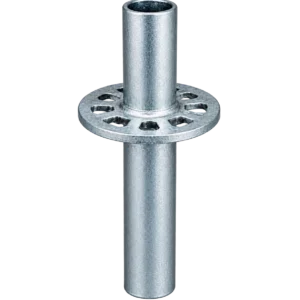
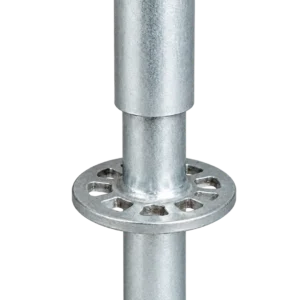
Ringlock Standards
Ringlock Standards are the primary vertical members of the system. They form the main framework and provide connection locations for ledgers and diagonal braces. A project may require standards in different configurations to suit the planned scaffold height and connection sequence. The correct standard selection should be coordinated with the other component groups used in the same layout.
Ringlock Ledgers
Ringlock Ledgers are horizontal members that connect adjacent standards. They define bay directions, help organize working levels and form part of the modular framework. Ledger selection is normally based on the required layout, bay arrangement and compatibility with the selected standards. Transoms or other horizontal components may also be included where required by the planned system configuration.
Ringlock Diagonal Braces
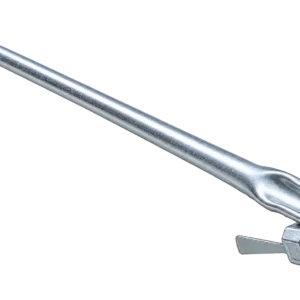
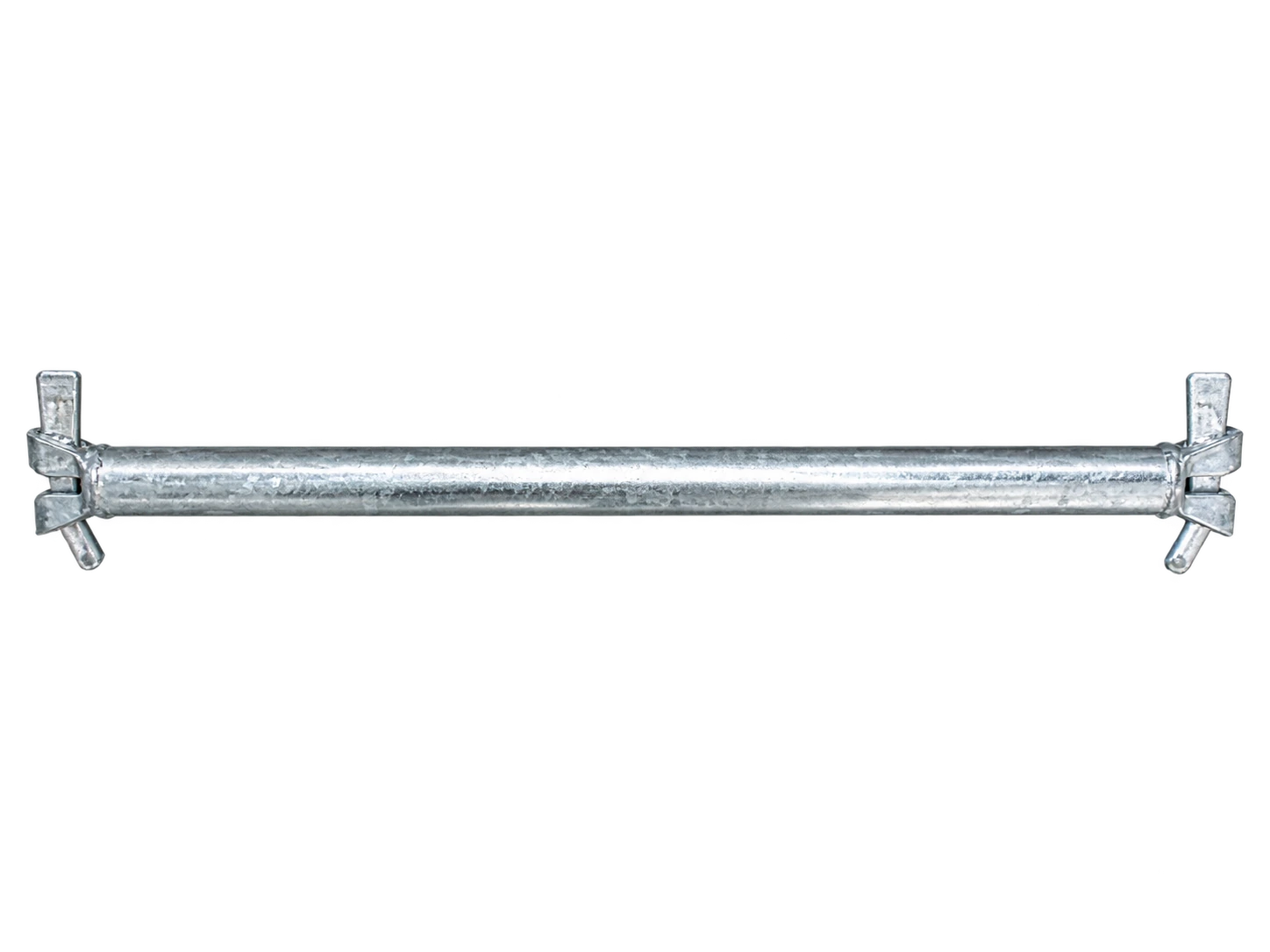
Ringlock Diagonal Braces connect the framework diagonally and are used with standards and ledgers as part of the intended structural arrangement. Their position and quantity should follow the approved scaffold layout. Plan braces or other diagonal members may also be relevant in configurations that require additional component groups.
Base and Support Components
Base Jacks provide adjustable support at the lower section of a Ringlock assembly, while base collars can establish the initial connection level above the base. U Head Jacks and other adjustable support components may be used at the upper section of temporary support arrangements. Adjustment ranges and installation positions must be selected from confirmed product information and the project design.
Platforms, Access and Safety Components
Steel planks, decks, stair systems and ladder components create working and access areas within the scaffold. Guardrail posts, toe boards and safety gates support the organization of protected working levels and access openings. These components should be planned together so that movement routes, platform locations and edge arrangements match the intended use of the structure.
Connections and Accessories
Rosettes, wedge pins, couplers, connectors and related accessories complete specific connection points within the modular system. Accessory selection should be based on the relevant component interface. Products that appear similar may serve different connection purposes, so names alone should not be used as the basis for procurement.
Typical Ringlock Scaffolding Applications
Ringlock systems are used where a modular component layout is suitable for temporary access, working platforms or construction support requirements. Typical application contexts include building construction, industrial maintenance areas, infrastructure access, temporary structures and support arrangements based on approved project plans.
For construction access, the system can be organized around working elevations and access routes. For industrial maintenance, the layout may need to follow equipment, pipework or restricted working areas. Temporary structures may require a different combination of standards, ledgers, braces, platforms and accessories. In every case, the application determines which component groups are needed; the system should not be selected from a generic list without considering the actual layout.
Component Selection Considerations
Before requesting a Ringlock component quotation, buyers should define the system series, planned bay arrangement, working heights, access requirements and required component groups. Available product drawings and confirmed specification tables can then be used to identify compatible items. Where multiple series or connection formats are involved, compatibility should be confirmed before the bill of materials is finalized.
Project information should also identify whether the requirement is for a complete system or replacement components. A complete-system inquiry usually needs standards, ledgers, braces, base components, platforms, access parts, safety components and accessories. A replacement inquiry requires enough information to match the existing connection interface and product specification.
Dimensions, material, surface treatment and unit weight should be taken from approved product data. Actual finished-product unit weight is more useful for procurement and logistics than an unconfirmed theoretical estimate. If source documents contain conflicting values, the difference should be resolved before the figures are used in a quotation, calculator or bill of materials.
Information to Prepare for a Product Inquiry
A clear inquiry can include the project application, required system series, component names, quantities, preferred surface treatment, destination and any available drawings or specification lists. If the exact component list is not yet known, a planned layout or structured requirement summary can help identify which product information is needed next.
Our Ringlock product range includes standards, ledgers, braces and supporting components for modular scaffolding systems. For detailed product information, review the Ringlock Scaffolding System page and the related product records below, or contact us with the confirmed component requirements for your project.
Product Center
Related Products